 Embrace the new way
 GyneConcepts Personal Pap Smear™ at-home pap test for cervical cancer


Transforming Access to Cervical Cancer Screening Worldwide
The Global Need for Accessible Solutions
Cervical cancer remains one of the most preventable cancers in the world.
Yet despite decades of medical advances, hundreds of thousands of women continue to be diagnosed each year—many because they were never screened or did not receive screening regularly.
At GyneConcepts, we believe the future of cervical cancer prevention depends on one critical factor: Making screening easier, more accessible, and more acceptable for women everywhere.
The Personal Pap Smear™(PPS) was developed to address one of the largest unmet needs in women's healthcare—expanding participation in cervical cancer screening by removing barriers that prevent women from being tested.
A Global Health Challenge
For more than 60 years, the Pap smear has served as one of the most successful cancer screening tools ever developed. It has helped save millions of lives through early detection. Yet cervical cancer remains a significant public health challenge worldwide.
Global Cervical Cancer Statistics
- Cervical cancer is the second most common cancer in women over the age of 44 worldwide.
- Approximately 275,000 women die from cervical cancer each year globally.
- The World Health Organization estimates that annual cervical cancer deaths could reach
500,000 women
per year by
2030
if screening participation does not improve.
These numbers are particularly concerning because cervical cancer is 100% preventable through routine screening and early intervention.
Why Women Are Not Getting Screened
At GyneConcepts, we spent years studying one important question: Why are women missing one of the most effective cancer screening tests ever developed? The answers were remarkably consistent.























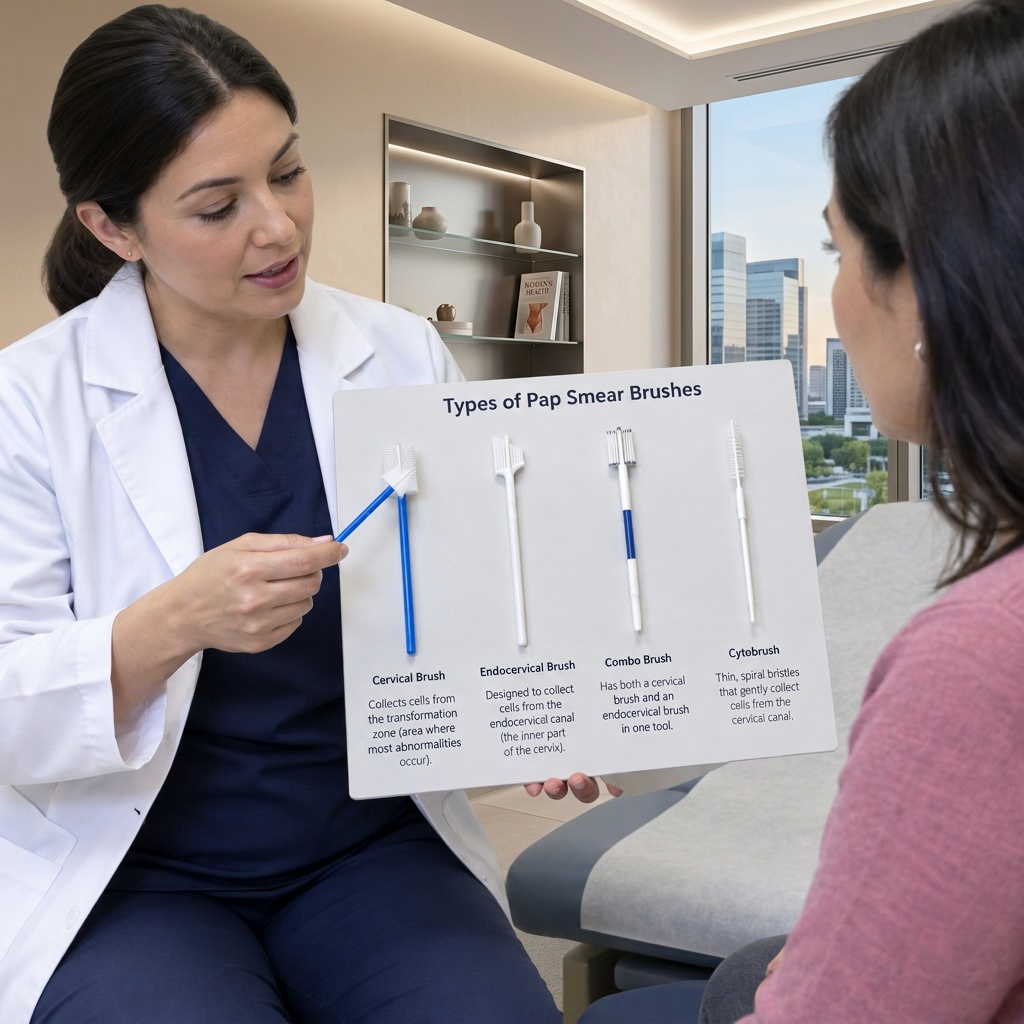
Many women simply place their own healthcare behind the needs of work, family, and daily responsibilities.
The result is delayed screening and missed opportunities for early detection.
The Personal Pap Smear™, screening that puts you in control.
The Need for Patient-Centered Screening Solutions
Healthcare is evolving. Patients increasingly expect healthcare experiences that are: Convenient, Accessible, Flexible, Affordable, Private.
Women's healthcare is no exception. Today's healthcare environment is rapidly embracing self-directed care models that empower individuals to take a more active role in preventive health.
GyneConcepts holds intellectual property protection across multiple global markets representing a substantial population of women who may benefit from improved access to cervical health screening.
The Personal Pap Smear™ was developed to support this shift by creating a more convenient pathway to cervical cell collection.
The Market Opportunity
Region
Female Population
European Union
140,406,460
Australia
6,013,718
Canada
9,475,507
India
291,857,785
Mexico
30,311,036
New Zealand
1,153,643
Russia
44,495,422
South Africa
12,738,368
United States
85,119,237
Total Addressable Population
621,571,176 Women
Regional Impact
United States
Each year:
- Approximately 12,900 new cases of cervical cancer are diagnosed.
- Approximately 4,100 women die from the disease.
Despite widespread healthcare availability, many women remain unscreened or under-screened.
European Union
Annually:
- Approximately 31,300 women develop cervical cancer.
- Approximately 13,600 women die from the disease.
Emerging Markets
Many regions continue to face additional barriers including:
- Limited healthcare infrastructure
- Geographic challenges
- Provider shortages
- Cost limitations
Innovative screening technologies may help expand access and participation in these underserved populations.
Looking Ahead
We envision a future where cervical health screening is no longer limited by inconvenience, embarrassment, cost, or access. A future where more women participate in routine screening. A future where early detection reaches more communities. A future where innovative healthcare solutions help reduce preventable cervical cancer diagnoses worldwide. Through research, clinical evaluation, and continuous innovation, GyneConcepts is working to make that future possible.