 Embrace the new way
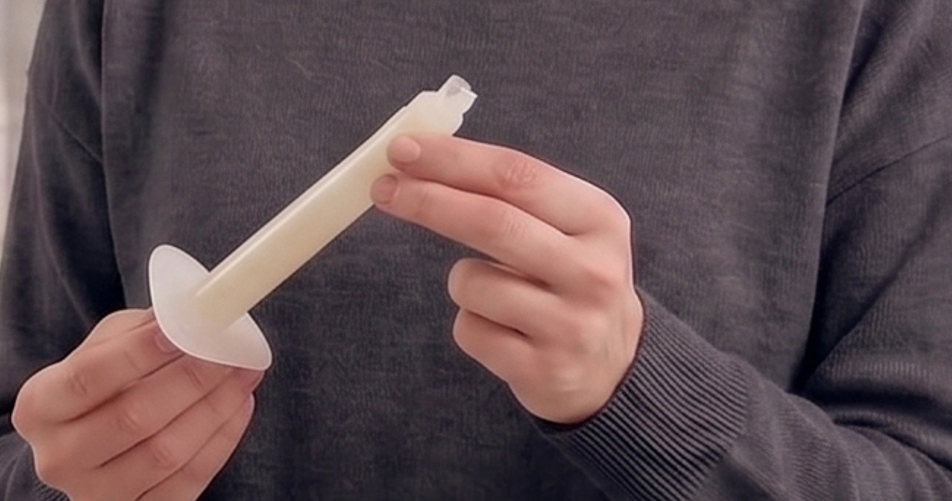 GyneConcepts Personal Pap Smear™ at-home pap test for cervical cancer


At-Home Cervical Cancer Screening
Designed Around Women
For generations, the Pap smear has been one of the most powerful tools for detecting cervical cancer early and saving lives.
Yet millions of women continue to delay or skip routine screening. Not because they don't care about their health. Because screening can feel uncomfortable, inconvenient, embarrassing, expensive, or simply difficult to fit into an already busy life.
At GyneConcepts, we asked a simple question: If cervical cancer screening works so well, why are so many women still not getting screened?
That question led to the development of the Personal Pap Smear™ (PPS)—the world's first patented cervical cell collection device designed to give women a more private, convenient, and accessible way to participate in cervical health screening.
Our goal is simple: Help more women benefit from the power of early detection.

The Personal Pap Smear™ (PPS)
a Breakthrough in Women's Health
The Personal Pap Smear™ is the
FIRST self-administered cervical cell collection device
that allows women to collect cervical cell samples in the privacy or your own home or within a healthcare setting.
Unlike many self-sampling methods currently available that collect vaginal cells for HPV testing only, the PPS is specifically designed to collect cervical cells.
These cervical cells may be analyzed for:
Cervical Cancer
Malignant Cells
Human papillomavirus (HPV)
Cervical Dysplasia,
Chlamydia
Gonorrhea
Yeast Infections
HSV ( Herpes Simplex Virus)
The PPS was developed to help remove many of the barriers that discourage women from participating in routine cervical cancer screening.
PPS Highlights
World's first patented cervical cell collection device
Self-administered collection
Designed for home or healthcare-setting use
Simple five-piece design
CE Mark Certified Class I Non-Sterile Device
Protected by U.S. Patents No. 8,460,209 and 8,672,861
Global patent coverage
Production-ready technology
Biocompatibility tested
ISO and FDA-certified materials and processes
Why Screen for Cervical Cancer?
Cervical cancer is one of the most preventable forms of cancer when detected early. In fact, routine screening has helped reduce cervical cancer deaths significantly over the last several decades. Cervical cancer develops in the cervix, which is the lower portion of the uterus connecting the uterus to the vagina.
Nearly all cervical cancers are linked to persistent infection with high-risk Human Papillomavirus (HPV). The good news is that screening can detect abnormal changes long before cancer develops.
A Preventable Disease
Cervical cancer is often highly preventable and highly treatable when identified early. Yet more than 60% of cervical cancer diagnoses occur in women who have not had a Pap test within the previous five years.
Cervical Cancer is 100% preventable - So Screening should be 100% Accessible.
“Jersey Shore” star Nicole “Snooki” Polizzi declared she is cancer-free seven months after receiving a
Stage 1 cervical cancer diagnosis.
Quotes:
Getting a cancer diagnosis is very terrifying and scary. So, I just want my body to be as healthy as it can be.
Polizzi said that receiving the cancer diagnosis was “very terrifying and scary” and has changed her entire lifestyle. The reality star now encourages her followers to get their annual pap smears to catch any abnormalities.
Why do So Many Women Fail to Get Routine Pap Smears
For many women, missing a Pap smear has little to do with awareness and everything to do with barriers. Over the years, women have consistently identified several reasons they avoid screening.
It's Embarrassing
Few medical examinations feel as personal and intimate as a pelvic exam. For some women, embarrassment becomes a significant obstacle to routine screening.
Its Inconvenient
Finding time for appointments isn't always easy. Work responsibilities, family commitments, transportation concerns, and scheduling conflicts often push preventive healthcare to the bottom of the list.
Its Uncomfortable
Traditional pelvic exams can create anxiety and discomfort for many women. Fear of pain remains one of the most commonly reported reasons women postpone screening.
Cultural and Personal Beliefs
Some women avoid screening because of concerns related to modesty, cultural expectations, religious beliefs, or personal privacy. At GyneConcepts, we believe every woman deserves options that respect her individual needs and circumstances.
"I Feel Fine"
This may be the most dangerous barrier of all. Cervical cancer often develops without symptoms. Changes can occur months—or even years—before a woman realizes something may be wrong. By the time symptoms appear, treatment options may become more limited.
I can't afford It
Financial considerations continue to influence healthcare decisions for many families.
Pros and Cons of HPV Testing vs Pap Smear
Primary HPV Testing
Potential Advantages
- Identifies high-risk HPV infections
- Highly sensitive screening method
- Supports early risk detection
Considerations
- Focuses primarily on HPV detection
- Does not directly evaluate cervical cell abnormalities
- At-home Collection Available
Traditional Pap Smear
Potential Advantages
- Evaluates cervical cells directly
- Detects abnormal cellular changes
- Long history of successful screening
Considerations
- Typically requires an office visit
- Traditionally performed by a healthcare provider
The Personal Pap Smear™ (PPS) was developed to bridge the gap between convenience and cervical cell collection by allowing women to self-collect cervical cells in a private setting.
The Personal Pap Smear™ (PPS) At-home Screening that puts you in control
Understanding Cervical Cancer Screening Methods
Today, women may encounter several different screening approaches. Understanding the differences can help women make informed healthcare decisions.
Primary HPV Testing
Primary HPV Testing focuses on detecting high-risk HPV strains associated with cervical cancer. Many healthcare organizations recognize Primary HPV Testing as an important screening option because HPV is the leading risk factor associated with cervical cancer.
Primary HPV Testing can often be performed using either clinician-collected or self-collected samples, depending on the testing method.
Co-Testing
Co-testing combines: HPV testing and Cervical cytology (Pap Smear). This approach allows healthcare providers to evaluate both HPV status and cervical cell changes.
Traditionally, co-testing requires cervical cells to be collected by a clinician during an office visit.
The Personal Pap Smear™ (PPS) introduces a new approach by enabling women to self-collect cervical cells.
Traditional Pap Smear
The Pap Smear examines cervical cells for abnormal changes that may indicate precancerous conditions or cervical cancer. For decades, it has served as one of the most effective early warning systems in women's healthcare.
Traditionally, Pap Smears require an in-office visit involving a speculum examination and clinician-collected cervical cells.
Make Your Health a Priority
Every woman deserves access to cervical health screening options that fit her life. The Personal Pap Smear™ (PPS) represents a new approach—one focused on privacy, convenience, accessibility, and early detection. Because peace of mind begins with taking charge of your health.